

From AI Anxiety to AI Advantage: A Step-by-Step Guide for Mature Professionals


Introduction
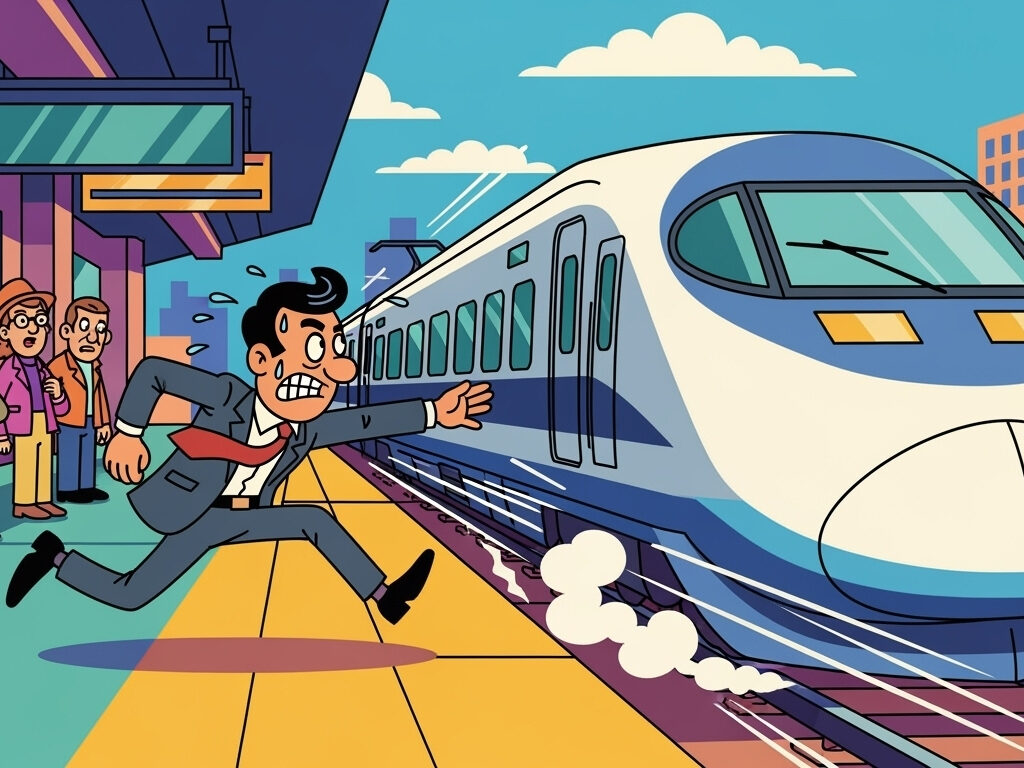
The workshop invitation lands in your inbox: “AI Skills for the Modern Workplace.” Your first thought? “This isn’t for someone like me.” Your second thought? “But what if everyone else is learning this and I’m left behind?”
This internal dialogue is playing out in workplaces across Australia. You’re successful, experienced, and valued – but AI feels like a different language spoken by a different generation. The good news? Your career experience is exactly what makes you perfectly positioned to not just adapt to AI, but to excel with it.
Recent research reveals that 65% of employees are anxious about not knowing how to use AI ethically, and 75% are concerned AI will make certain jobs obsolete. But here’s what the statistics don’t tell you: mature professionals who embrace AI literacy often become the most effective AI users in their organizations.
Understanding Your AI Advantage: Experience Matters
Let’s start with a fundamental truth that gets lost in all the AI hype: artificial intelligence is a tool, not a replacement for professional judgment. And after decades in the workforce, you’ve developed something invaluable – the ability to evaluate information, understand context, and make nuanced decisions.
Consider this: when AI generates content, who’s better equipped to evaluate its quality – someone with six months of work experience or someone with 20+ years? Your professional judgment is your superpower in the AI era.
Research from Australian workplaces shows that while millennials lead AI adoption at 90%, baby boomers maintain a solid 75% usage rate. More importantly, studies indicate that older workers achieve greater consistency in AI use once proficient, suggesting that your approach to learning – methodical, thorough, and practical – actually suits AI adoption perfectly.
Try This Now: The Confidence Assessment
Before we dive deeper, take a moment to acknowledge what you already know. List three work situations where your experience and judgment proved more valuable than any tool or technology. These situations represent exactly where AI will support, not replace, your expertise.
Stage 1: Addressing the Emotional Barriers (Weeks 1-2)
The Fear Factor
Let’s be honest about what’s really holding you back. It’s rarely the technology itself – it’s the fear of looking incompetent, of asking “stupid” questions, or of being slower to learn than younger colleagues.
These concerns are natural and shared by most professionals your age. In fact, 42% of Australian workers report feeling uncomfortable admitting AI use to their managers for fear they might be seen as less competent. You’re not alone in these feelings.
Reframing the Narrative
Instead of viewing AI as evidence of your limitations, consider it validation of your expertise. AI tools are designed to handle routine, repetitive tasks – precisely the activities that prevent you from applying your high-level strategic thinking and relationship-building skills.
As one 58-year-old operations manager from Sydney explained: “I spent 30 years building the judgment to know when a project was going off track. Now AI handles my routine reporting, so I can focus on the early intervention conversations that actually prevent problems.”
Your Confidence-Building Plan:
-
Week 1: Read AI success stories from professionals in your age group and industry
-
Week 2: Identify one colleague who uses AI and ask them about their experience
-
Set realistic expectations: you’re not trying to become an AI expert, just an informed user
Stage 2: Building Foundational Understanding (Weeks 3-4)
What You Actually Need to Know
Forget the technical jargon. You don’t need to understand how AI works any more than you need to understand internal combustion engines to drive a car. You need practical, applicable knowledge.
Essential AI Literacy for Professionals:
-
AI excels at pattern recognition and content generation but lacks human judgment and context
-
All AI output should be verified – your experience helps you spot inconsistencies and errors
-
AI works best when given clear, specific instructions (this is where your communication skills shine)
-
Privacy and ethical considerations require human oversight (another area where experience matters)
The Business Context
Understanding AI’s business impact helps reduce anxiety. The World Economic Forum predicts that by 2027, AI will create 2.6 million new jobs, while global GDP will be 14% higher by 2030 as a direct result of AI – equivalent to $15.7 trillion of new value.
This isn’t a story of replacement; it’s a story of transformation and growth. And experienced professionals who combine AI literacy with deep industry knowledge are positioned to lead this transformation.
Try This Now: The Context Challenge
Think of a recent work project that required significant research or data analysis. Consider how AI might have handled the routine information gathering, freeing you to focus on interpretation and strategic recommendations.
Stage 3: Hands-On Practice (Weeks 5-8)
Starting Small, Building Confidence
Your learning approach should mirror your professional style: methodical, practical, and results-focused. Start with tools that enhance work you already do well.
Week 5: Communication Enhancement
-
Use ChatGPT to draft emails, then customize them with your professional voice
-
Practice meeting agenda creation and follow-up summaries
-
Experiment with tone adjustment for different audiences
Week 6: Information Processing
-
Try AI research assistance for industry trends or competitive analysis
-
Use AI to summarize long documents or reports
-
Practice fact-checking AI outputs using your professional knowledge
Week 7: Presentation and Reporting
-
Experiment with AI-assisted presentation creation
-
Use AI to generate first drafts of routine reports
-
Practice data visualization suggestions and chart creation
Week 8: Process Optimization
-
Identify repetitive tasks suitable for AI assistance
-
Experiment with scheduling and administrative automation
-
Develop personal AI workflows for recurring responsibilities
Stage 4: Developing Professional AI Judgment (Weeks 9-12)
The Wisdom to Know When and When Not to Use AI
This is where your experience becomes invaluable. Younger colleagues might use AI for everything; experienced professionals understand nuance.
Situations Where AI Excels:
-
First drafts of routine communications
-
Research and information gathering
-
Data formatting and basic analysis
-
Template creation and standardization
Situations Requiring Human Expertise:
-
Sensitive interpersonal communications
-
Strategic decision-making
-
Crisis management
-
Complex ethical considerations
-
Relationship building and negotiation
Building Your AI Ethics Framework
Your professional experience provides the foundation for ethical AI use. You understand the importance of accuracy, confidentiality, and professional standards – principles that guide responsible AI adoption.
Try This Now: The Professional Judgment Matrix
Create a simple chart: list your regular work tasks and categorize them as “AI-suitable,” “Human-led with AI support,” or “Human-only.” This becomes your personal guide for AI integration.
Stage 5: Becoming an AI Champion (Weeks 13+)
Leading by Example
Once you’ve developed confidence and competence, something interesting happens: you become a trusted voice for AI adoption among your peers. Your methodical approach and professional credibility make you an ideal advocate for thoughtful AI integration.
Sharing Your Knowledge
Consider how you can help other professionals navigate their AI journey:
-
Mentor colleagues who share your initial concerns
-
Advocate for age-appropriate AI training in your organization
-
Share practical use cases that demonstrate AI’s value without compromising professional standards
Continuous Learning
AI technology evolves rapidly, but your learning approach doesn’t need to. Stay informed through professional publications, industry associations, and peer networks rather than trying to follow every technical development.
The Professional Advantages of Mature AI Adoption
Quality Over Speed
While younger professionals might rush to use every new AI tool, your approach emphasizes quality, consistency, and professional judgment. This methodical approach often produces better long-term results.
Industry Context
Your deep understanding of industry standards, regulatory requirements, and professional relationships helps you use AI more effectively and appropriately than someone with less experience.
Risk Management
Your career has taught you to evaluate risks and benefits carefully – a crucial skill for responsible AI adoption. You’re less likely to make costly mistakes or compromise professional standards.
Try This Now: Your Personal AI Action Plan
Take 15 minutes to create your personalized AI learning timeline. Choose specific tools, set realistic milestones, and identify support resources. Remember: this is about professional enhancement, not career reinvention.
Measuring Your Progress: Success Indicators
Short-term (Weeks 1-4):
-
Reduced anxiety about AI discussions in your workplace
-
Basic understanding of AI capabilities and limitations
-
Successful completion of first AI-assisted task
Medium-term (Weeks 5-12):
-
Regular use of 2-3 AI tools in your daily workflow
-
Confidence in evaluating AI outputs
-
Ability to help colleagues with basic AI questions
Long-term (3+ months):
-
Integration of AI into your professional routine
-
Recognition as an AI-informed professional in your organization
-
Demonstrable improvements in efficiency and output quality
The Transformation: From Anxiety to Advantage
The journey from AI anxiety to AI advantage isn’t about becoming a different professional – it’s about becoming a more effective version of yourself. Your experience, judgment, and professional skills remain your primary assets. AI simply amplifies them.
With 83% of workers believing AI skills will help them drive more value for their employer, and Australian organizations increasingly prioritizing AI literacy11, your investment in AI competence positions you as a forward-thinking professional rather than someone trying to catch up.
The choice isn’t between embracing AI or preserving your career – it’s between leading the transformation or letting others define how it affects your professional future. Your experience has prepared you for this choice. Trust in that preparation, and take the first step forward.




Responses