
Feeling left behind? Become AI-confident in 7 days.
The Help Zone is a unique learning hub, made for Australians who need to get confident with AI and get time-saving results quickly. Join for $29.95 per month and get immediate access to:
- UNIQUE: The only learning hub, with personalised, guided AI tutorials – ‘choose your own adventure’ style learning pathways, pick your level and your task.
- QUICK START: Become AI-confident in 7 days.
- PERSONALISED: Your own, personal Help Zone Guide and 14 guided, relevant AI tutorials to build your confidence, fast
- BONUS: The Australian AI Survival Guide eBook. 150pp of step-by-step instructions and practical, Australian-specific information. Valued at $29.95.
- COMMUNITY: A community of Australians just like you, posting and discussing their solutions and experiences.
- RESOURCES: Customised, reusable templates and downloads that save you time, immediately.
- STAY CURRENT: Forums, resources and updates so that you never get left behind again.
- CANCEL ANY TIME: You get to keep the Australian AI Survival Guide and customised reusable templates and downloaded resources
- GUARANTEED: jargon free.

If you aren’t comfortable using AI in your business or at work, then you can’t access the productivity advantages and you will not stay comptetive.
Three quarters of Australians like us (over 45) report feeling under-confident using AI1 and more than one third feel intimidated by it2. The good news is that, once we ‘get it’, then we are the most valuable AI users of all because of our knowledge and experience. After all, we’ve seen more digital disruption than any other generation.
At Help for Humans we created a unique Help Zone for Australians that need a bit help to get the benefits from AI and to protect themselves from future changes.
The Help Zone is an ecosystem of resources and support, including a personalised Guide which will guide you through a ‘choose your own adventure’ style learning pathway – choosing the levels and the tasks relevant to you. Definitely no jargon.
Your Amazing Story
Here’s something interesting: you have successfully navigated more technological change than any other generation in history. From the first PCs and then the first emails to the smart phone revolution, we took it all in our stride. Each change made you stronger, smarter, and more adaptable.
There’s a lot of research that indicates that if you are over 45 you possess unique strengths and characteristics that make you a better and more impactful AI user. That’s because your experience and first-hand knowledge of previous technological disruptions gives you a unique historical context and perspective.
HELP ZONE FULL ACCESS
Including guided tutorials, reusable templates and resources, a community of peers and The Australian AI Survival Guide (value $29.95)-
UNIQUE: The only learning hub, with personalised, guided AI tutorials, made for Australians 45+ who are at risk of being left behind by the AI revolution
-
QUICK START: Become AI-confident in 7 days.
-
PERSONALISED: Your own, personal Help Zone Guide and 14 guided, relevant AI tutorials to build your confidence, fast
-
BONUS: The Australian AI Survival Guide eBook. 150pp of step-by-step instructions and practical, Australian-specific information. Valued at $29.95.
-
COMMUNITY: A community of Australians just like you, posting and discussing their solutions and experiences.
-
RESOURCES: Customised, reusable templates and downloads that save you time, immediately.
-
STAY UPDATED: Forums, resources and updates so that you never get left behind again.
-
CANCEL ANY TIME: You get to keep the Australian AI Survival Guide and customised reusable templates and downloaded resources
-
GUARANTEED: jargon free.
No results found.
AI Tool Comparison for Small Business
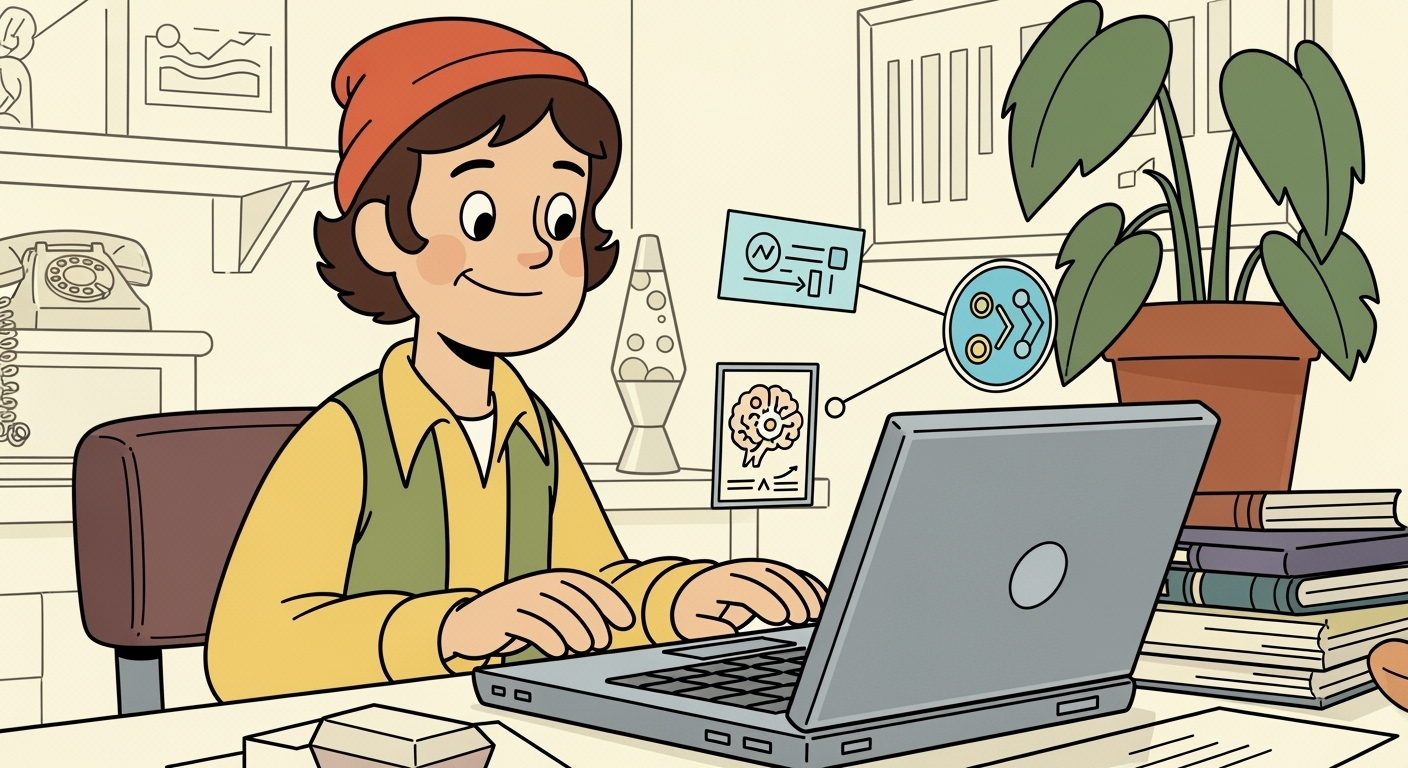
The free and low cost AI tools available for Australian small businesses are many and varied. They are also changing all the time. For this reason the most current information is kept updated for you in this comparison table.
| Tool | Category | Best For | Free Features | Limitations | Upgrade Cost |
|---|---|---|---|---|---|
| ChatGPT | AI Assistant | Content creation, customer service, general tasks | GPT-3.5 access, unlimited messages, basic web browsing | Limited to older model, slower response times | $20/month (Plus) |
| Claude | AI Assistant | Professional writing, detailed analysis, code help | Latest Claude model, web & mobile access, document uploads | Usage limits, no internet browsing | $20/month (Pro) |
| Google Gemini | AI Assistant | Research, quick tasks, Google integration | Real-time web access, Google apps integration, multimodal input | Limited advanced features | $20/month (Advanced) |
| Microsoft Copilot | AI Assistant | Microsoft 365 integration, productivity tasks | Built into Windows, Edge browser, basic Office integration | Limited Office features | $30/month (Microsoft 365) |
| Perplexity | AI Search | Research, fact-checking, current information | Real-time web search, source citations, unlimited searches | Limited file uploads, basic features only | $20/month (Pro) |
| Grammarly | Writing | Grammar checking, tone adjustment, proofreading | Basic grammar/spelling check, 100 AI prompts, browser integration | Limited style suggestions, basic features | $12/month (Pro) |
| Canva | Design | Social media graphics, marketing materials, presentations | Templates, basic design tools, 50 AI image generations | Limited AI features, Canva branding | $15/month (Pro) |
| Zapier | Automation | Connecting apps, workflow automation | 100 tasks/month, 2-step automations, 5 Zaps | Limited complexity, usage caps | $20/month (Starter) |
| DALL-E 3 | Image Creation | Custom images, product mockups, visual content | Limited free generations via Bing | Very limited free usage | $20/month (ChatGPT Plus) |
| Whisper | Transcription | Meeting notes, audio-to-text conversion | Free transcription, multiple languages | Self-hosting required, technical setup | N/A (Open source) |
| Google Workspace | Productivity Suite | Email, documents, cloud storage | Gmail, Docs, Sheets, Drive (15GB), AI features | Storage limits, basic AI features | $8/month (Business Starter) |
| Buffer | Social Media | Social media scheduling, content management | 3 channels, 10 posts/month, basic analytics | Very limited posts, basic features | $6/month (Essentials) |
| Tidio | Customer Service | Website chatbots, live chat support | Basic chatbot, 50 conversations/month | Limited conversations, basic AI | $29/month (Starter) |
| Copy.ai | Content Writing | Marketing copy, blog posts, product descriptions | 2,000 words/month, basic templates | Word limits, limited templates | $36/month (Pro) |
| Jasper | Content Marketing | Long-form content, brand voice consistency | 7-day free trial, all features | Trial only, then paid | $39/month (Creator) |
AI Code Generation from Plain English
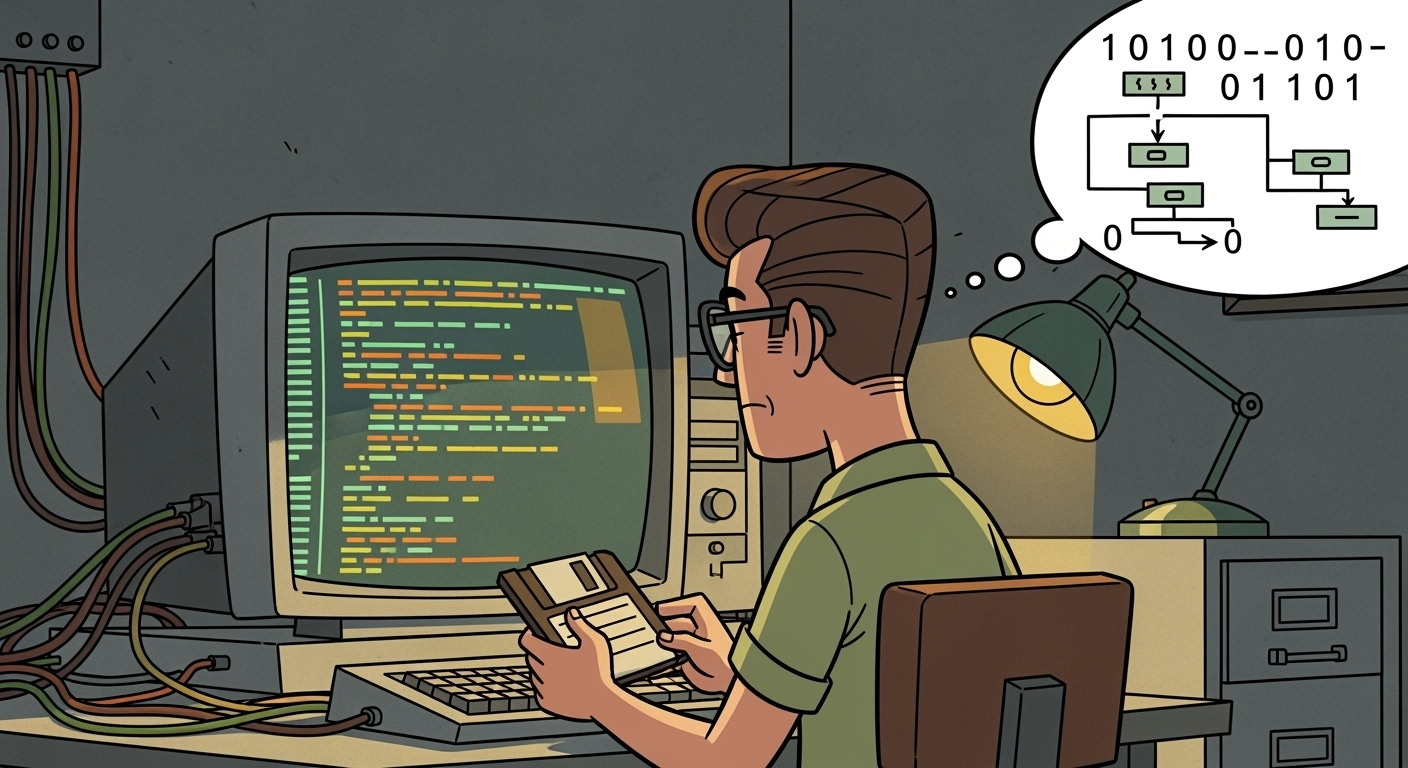
You don’t need to be a programmer to harness AI’s coding power. Tools like Cursor AI can turn plain English descriptions into working code, debug existing programs, and even optimise entire codebases.
Cursor AI integrates directly into Visual Studio Code and understands your project context. You can describe what you want in natural language, and it generates appropriate code, creates tests, and suggests improvements. It’s like having a senior developer as your coding partner.
The AI can also refactor existing code, identify bugs, and suggest performance improvements, making it valuable for both beginners and experienced developers.
A Brisbane startup used Cursor to build their entire customer portal. Their non-technical founder described the features needed, and Cursor generated the code structure, database connections, and user interface. What would have cost $50,000 in development was completed for the price of a software subscription.
Give it a whirl
- Download Cursor AI (free to try)
- Describe a simple automation you need (like “create a script to organise files by date”)
- Watch it generate working code from your description
Make AI an Opportunity, not a Threat
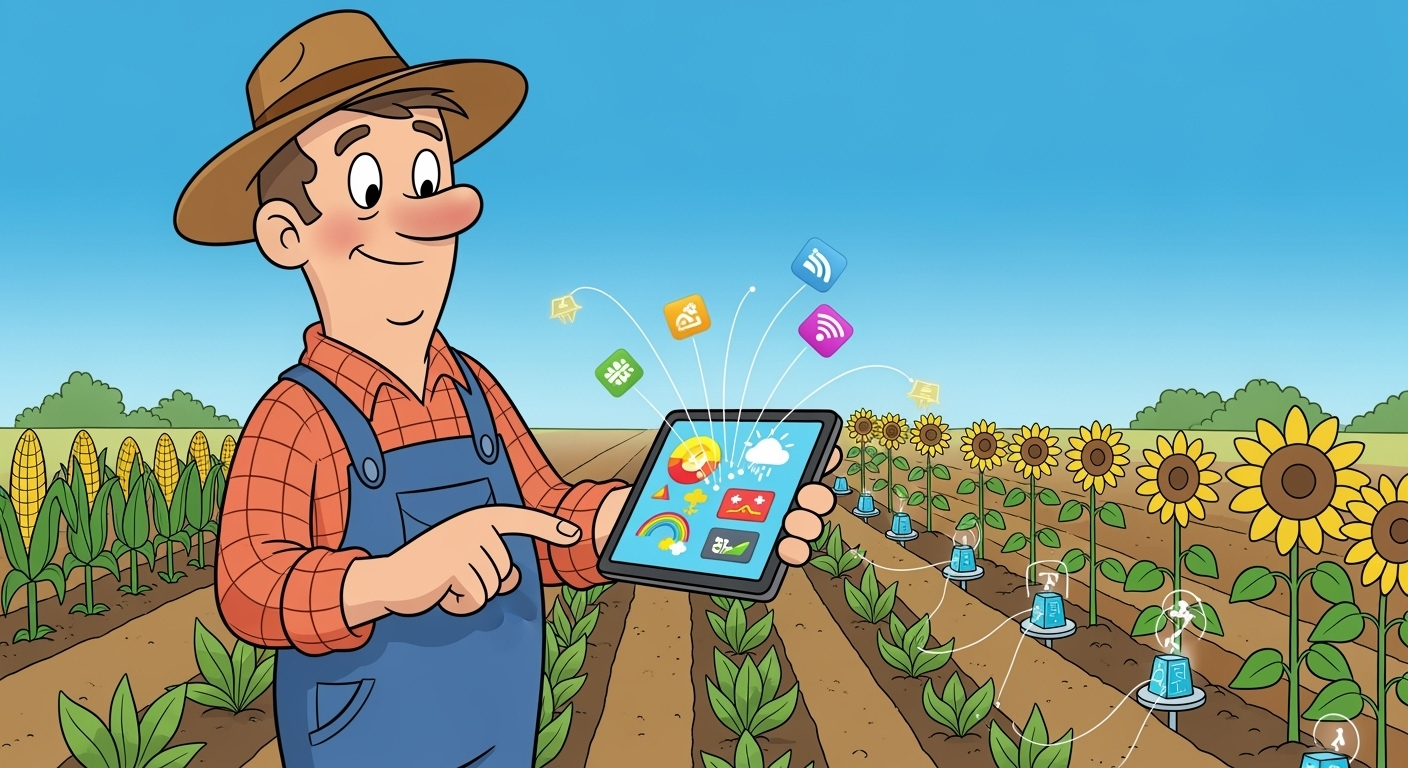
AI isn’t coming to Australian workplaces – it’s already moved in and made itself at home. From the wheat fields of Western Australia to the mining sites of Queensland, artificial intelligence is quietly getting on with the job of making things faster, cheaper, and more efficient. But before you start polishing up your resume in a panic, here’s some good news: the jobs that really matter – the ones that need a human brain, heart, and gut instinct – aren’t going anywhere. In fact, they’re becoming more valuable than ever.
Let’s have a look at what’s happening right now, not in some distant future. AI is currently mapping crop yields to help farmers make smarter decisions about planting and harvesting. In our mining industry, it’s predicting when equipment might fail before it actually does, saving companies millions in downtime and repairs. Meanwhile, in hospitals across the country, AI is helping radiologists spot problems in medical scans faster and more accurately than ever before.
These aren’t pie-in-the-sky examples – they’re happening today, making Australian businesses more productive and competitive on the world stage. The pattern is clear: AI excels at tasks involving pattern recognition, data analysis, and routine paperwork. If your job involves sifting through spreadsheets, processing forms, or spotting trends in large amounts of information, chances are AI is already eyeing your in-tray.
But here’s where it gets interesting. The most successful implementations of AI aren’t replacing humans entirely – they’re freeing up human workers to focus on the stuff that really matters.
The jobs that are not just surviving but thriving in this new landscape have one thing in common: they combine deep people skills with industry knowledge. Think relationship managers who use AI-generated insights to have better conversations with clients. Or aged-care coordinators who use AI to track health patterns while providing the emotional support that no computer can offer.
Change-management professionals are another great example. They might use AI to analyze organizational data and predict resistance points, but when it comes to actually helping people navigate change, building trust, and communicating with empathy – that’s pure human territory.
These roles represent the sweet spot where technology amplifies human capability rather than replacing it. The AI handles the number-crunching and pattern-spotting, while humans bring creativity, judgment, and that indefinable quality we call “people sense.”
Curious about how AI is already working in your field? Here’s a simple way to find out:
- Open Google and search for “[your industry] AI case study Australia”
- Look for one success story that shows humans and AI working together
- Pay attention to what the AI does versus what the humans contribute
- Share that example at your next team meeting or coffee break
This exercise helps you see AI as a tool that enhances human work rather than a threat that eliminates it.
If you’re wondering which types of jobs offer the most security in an AI-enhanced world, look for roles that require:
Emotional Intelligence and Empathy: Counselors, customer service managers, team leaders, and healthcare workers who need to read between the lines and respond to human emotions.
Creative Problem-Solving: Jobs that require thinking outside the box when standard solutions don’t work. This includes project managers dealing with unique challenges, consultants helping businesses adapt, and professionals who need to innovate on the fly.
Complex Communication: Roles involving negotiation, persuasion, teaching, or explaining complex ideas to different audiences. These require understanding context, reading the room, and adapting your message accordingly.
Ethical and Strategic Judgment: Positions where you need to weigh competing priorities, make decisions with incomplete information, or consider the broader implications of actions.
Local Knowledge and Relationships: Jobs that rely on understanding local culture, building long-term relationships, or navigating community dynamics.
Healthcare: While AI can flag potential issues in medical imaging, it takes an experienced radiologist to understand the patient’s history, communicate with worried families, and make nuanced treatment decisions.
Education: AI might help teachers identify which students are struggling with specific concepts, but inspiring young minds, managing classroom dynamics, and adapting lessons on the fly remain distinctly human skills.
Agriculture: Farmers use AI to optimize planting schedules and predict yields, but decisions about land management, dealing with unpredictable weather, and managing farm operations still require human experience and intuition.
Finance: AI can analyze market trends and flag unusual transactions, but financial advisors who build trust with clients, understand their unique circumstances, and provide reassurance during market volatility are more valuable than ever.
The key to thriving in this new landscape isn’t to compete with AI, but to learn how to work alongside it. This means developing what we might call “AI literacy” – understanding what these tools can and can’t do, and knowing how to use them to enhance your existing skills.
Start by identifying the routine, repetitive parts of your job that eat up time but don’t require your unique expertise. These are prime candidates for AI assistance. Then focus on developing the distinctly human aspects of your role – the relationship building, creative thinking, and strategic decision-making that AI can support but never replace.
Take 10 minutes to list:
- Tasks in your job that involve data analysis or pattern recognition (potential AI assistance)
- Parts of your role that require empathy, creativity, or complex judgment (your human advantage)
- How AI tools might handle the first list so you can focus more on the second
This exercise helps you see where you fit in the human-AI partnership.
AI is transforming Australian workplaces, but it’s not the job-destroying tsunami some people fear. Instead, it’s creating opportunities for workers who understand how to combine their uniquely human skills with powerful new tools.
The professionals who’ll thrive are those who see AI as a capable assistant rather than a threatening competitor. They’re the ones who’ll use these tools to handle the routine stuff while focusing their energy on the complex, creative, and deeply human aspects of their work.
Your experience, wisdom, and ability to connect with people aren’t becoming obsolete – they’re becoming more valuable than ever. The trick is learning how to pair these strengths with AI capabilities to become more effective than either humans or machines working alone.
The AI revolution is here, but it’s not a zero-sum game. There’s room for both artificial intelligence and human intelligence to flourish together. The question isn’t whether you’ll be replaced by AI, but how you’ll team up with it to do your best work yet.
Sources:
-
Australian Parliament House: AI Impacts on Industry and Workers
-
Xanda: AI Examples in the Workplace
Aussies Have the AI Advantage
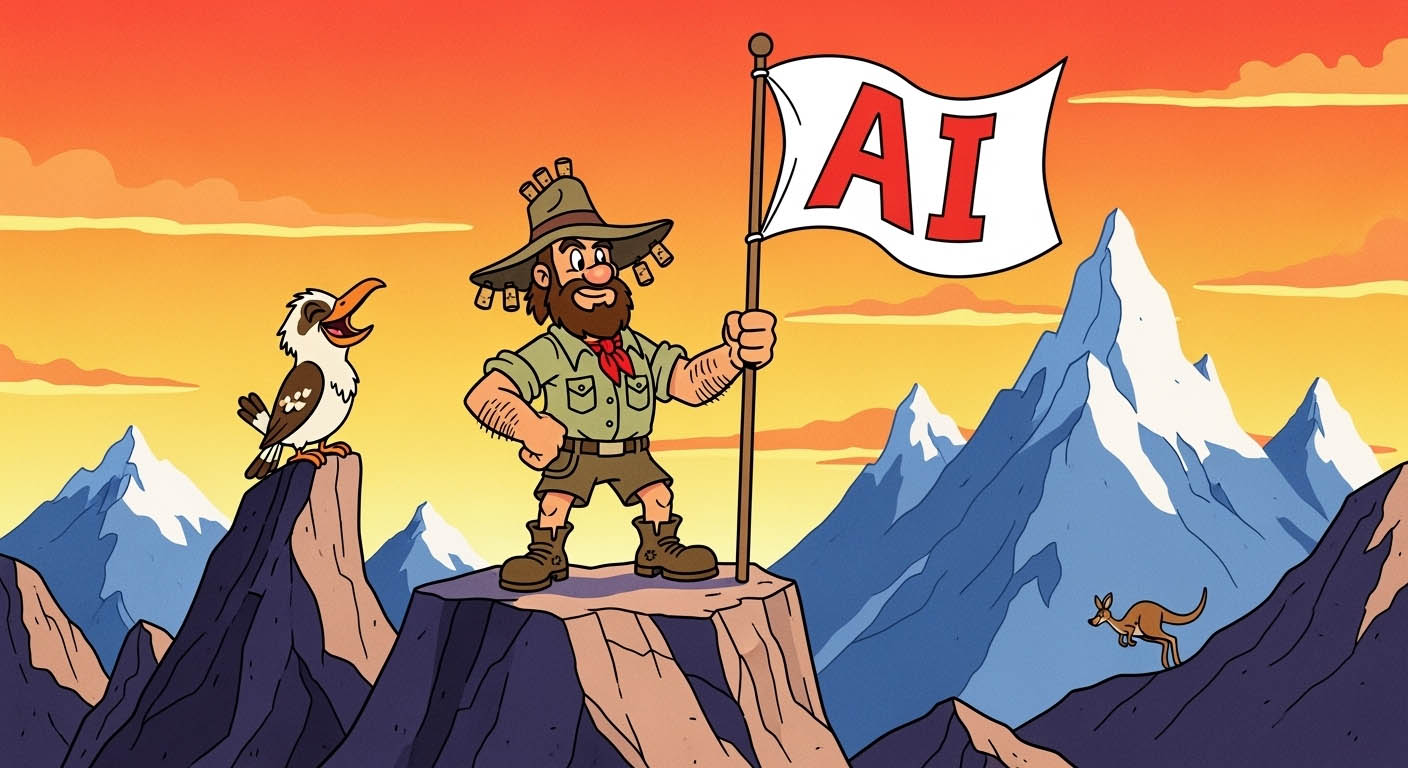
You’re scrolling through LinkedIn, and every second post mentions artificial intelligence. Your younger colleagues casually chat about ChatGPT over coffee. Meanwhile, you’re wondering if you’re falling behind in a technological revolution that seems designed for people half your age.
If you have experience unease about AI, you’re definitely not alone. Recent research shows that 43% of white-collar workers fear AI will take their job within the next decade. But here’s the surprising truth: Australian workers aged 45 and over are actually leading the charge in workplace AI adoption, with 75% of baby boomers expressing readiness to embrace new technological solutions when the benefits are clear
The media loves dramatic headlines about AI replacing workers, particularly focusing on white-collar professionals. Anthropic CEO Dario Amodei recently warned that AI could eliminate up to 50% of entry-level white-collar positions within five years. However, this statistic specifically targets entry-level roles, not experienced professionals with decades of expertise.
As a seasoned professional, you bring something AI cannot replicate: context, wisdom, and the ability to navigate complex workplace relationships. Australian research reveals that while millennials lead AI adoption at 90%, gen X and baby boomers still maintain a solid 75% usage rate, proving that age isn’t a barrier to technological success.
Generation X and baby boomers possess a distinct advantage in the AI workplace. Research shows that 73% of Gen Xers perceive AI as a powerful catalyst for boosting workplace productivity. Why? Because you understand that technology is most effective when combined with human judgment and experience.
Consider Sarah, a 52-year-old project manager from Melbourne, who initially feared AI would make her role obsolete. After completing an AI literacy course, she discovered that AI helped her automate routine reporting tasks, freeing up 5 hours weekly to focus on strategic planning and team mentoring, tasks that truly leveraged her 20+ years of experience.
Here’s something that might surprise you: Australian workers are among the strongest adopters of generative AI in the workplace, with 84% using the technology at work – higher than the global average of 75%. This means you’re not just keeping up; you’re part of a workforce that’s leading the world in AI integration.
Additionally, 82% of Australian workers already using generative AI report that it makes them much more productive in the workplace. These aren’t tech-savvy twenty-somethings – this includes professionals across all age groups who’ve discovered that AI amplifies their existing skills rather than replacing them.
Take five minutes to list three repetitive tasks you do weekly (like formatting reports, scheduling meetings, or organizing information). These are perfect candidates for AI assistance. Start with just one and experiment with free tools like ChatGPT or Google’s Bard.
The most effective way to address AI anxiety is through understanding. Research shows that AI literacy training programs designed for mature workers can achieve 60-70% of the productivity improvements seen in younger cohorts, but with greater consistency once proficient.
Essential AI knowledge helps you:
-
Recognize when AI provides valuable assistance versus when human judgment is crucial
-
Understand AI’s limitations, including its tendency to “hallucinate” or generate convincing but false information
-
Navigate ethical considerations and maintain professional standards
AI literacy isn’t about becoming a programmer overnight. It’s about developing practical skills that enhance your existing expertise. Experienced people are particularly well-suited for “prompt engineering” – the skill of crafting effective instructions for AI systems. Your industry knowledge and communication skills make you naturally gifted at getting quality results from AI tools.
Start with these confidence-building approaches:
-
Focus on familiar territories: Use AI to enhance tasks you already excel at
-
Leverage your experience: Your domain knowledge helps you evaluate AI outputs effectively
The most successful people aren’t being replaced by AI – they’re learning to work alongside it. Think of AI as a sophisticated assistant that handles routine tasks while you focus on strategy, relationship-building, and complex problem-solving.
With 72% of Australian businesses already using AI, and only 6% discouraging its use, the question isn’t whether AI will be part of your workplace – it’s how quickly you’ll harness its potential to enhance your professional value.
You don’t need to become an AI expert overnight. Start where you are, use what you have, and do what you can. The combination of your professional experience and basic AI literacy creates a powerful competitive advantage in today’s market.
Remember, 83% of workers believe AI skills will help them drive more value for their employer in the next 12 months. As an experienced professional, you’re perfectly positioned to be among them.
The future belongs to those who combine experience with adaptability. You’ve navigated career changes before. This is simply your next evolution, not a revolution you need to fear.
Your Experience plus AI Equals a Superpower

If you think that younger people have an advantage in the AI revolution, then think again. If you’ve spent 20+ years in business or the workplace solving problems, dealing with people, and thinking on your feet — congratulations. You’ve already got the skills that AI can’t learn. These skills, combined with knowledge of AI, are your superpowers, and the workforce of the future is going to need them more than ever.
AI is brilliant at crunching numbers, summarising reports, and pinpointing patterns in data. But what it still can’t do, and likely never will, is think like a human.
It can’t show empathy. Can’t manage conflict in a team. Can’t imagine a better way to do something when the old way stops working. And it can’t motivate a person having a rough day or tease out the real issue a customer is struggling with just by reading their tone.
That’s why skills like communication, emotional intelligence, adaptability, and critical thinking are now the tools every forward-thinking employer is chasing. These aren’t “soft skills”, they’re the power tools for the 21st century.
Let’s say you’ve worked in small business, admin, finance, health, education, community care, or sales. Over the years, you’ve built up a sense for reading between the lines and making judgment calls when things aren’t black and white. That’s experience AI will never have.
And as more tasks become automated, including data entry, reporting, or scheduling, people who know how to coordinate teams, explain things clearly, or build trust with clients will become the glue that holds smart businesses and workplaces together.
Think of AI as the apprentice. Fast and helpful, yes, but it still needs a human foreman to make the decisions. That’s where your value skyrockets.
New job titles like AI Ethics Officer, Prompt Coach, or AI-Enhanced Educator aren’t pie-in-the-sky ideas. Companies are already hiring for them and these roles aren’t just for tech geniuses. They need experienced operators who can guide, edit, adapt and oversee systems with a good dose of realism and judgment.
Take healthcare, for example. AI might help track patient data or flag risks, but it takes a nurse with compassion to notice a patient’s discomfort that isn’t in the charts. Same goes for aged care, management, education, anything that involves real people.
AI is just the next chapter of a long story we’ve already been through from typewriters to word processors, from fax machines to the cloud. Every time, people who were willing to learn a bit and lean into their strengths came out just fine.
So remember: it’s not about trying to keep up with AI, it’s about figuring out how to use it to boost your uniquely human edge.
More than ever, the workforce needs people who can do what machines can’t. And that’s you.
Sources for Your Curiosity:
Don’t Let the AI Train Leave Without You
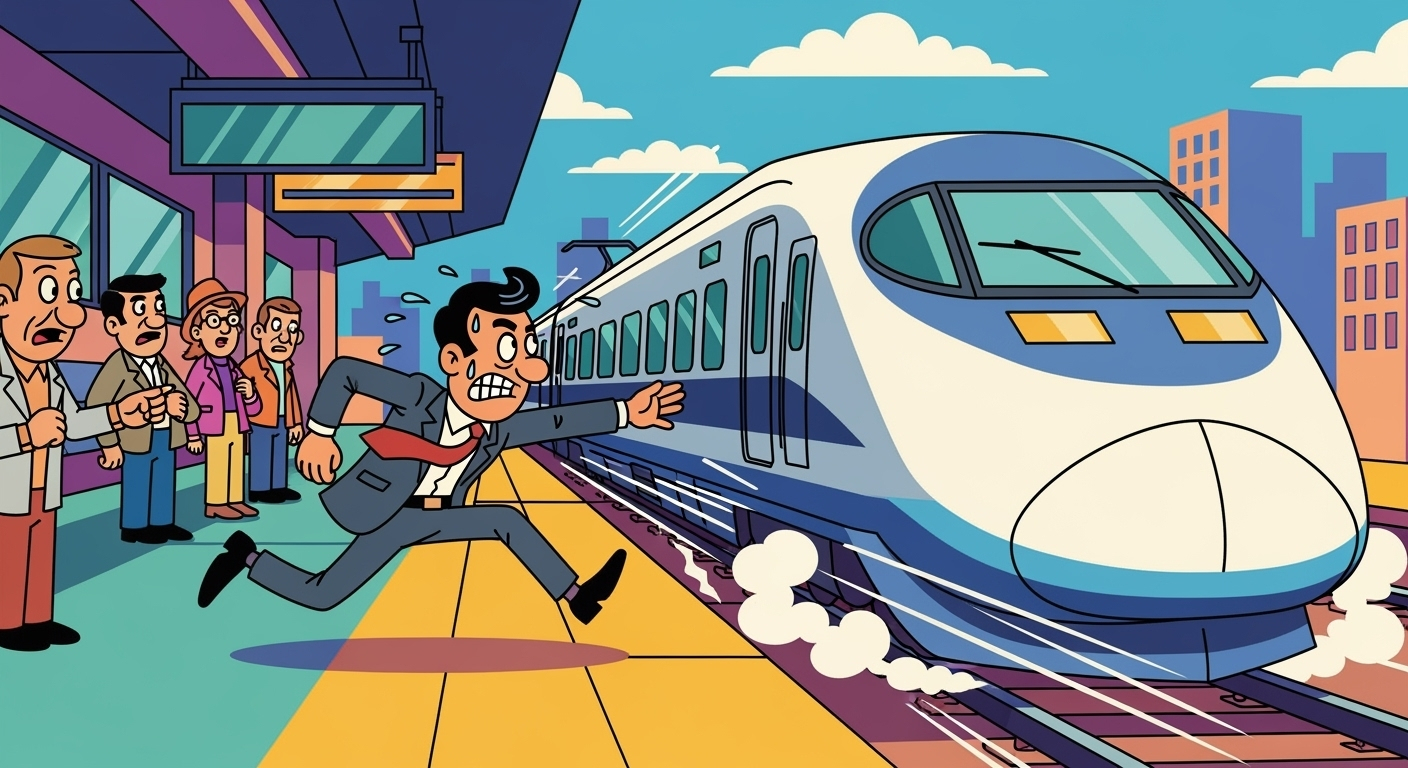
If you’re reading this and thinking “AI is just another fad that’ll blow over,” you might want to think again. We’re standing at the crossroads of one of the biggest workplace shake-ups since computers first appeared in offices, and just like those previous game-changers, this one’s going to create more opportunities than it destroys – but only for those who get their skates on and adapt.
Let’s take a trip down memory lane, shall we? Back in the 1980s, when computers started appearing in Australian offices, there was quite the hullabaloo. Typists were convinced word processors would send them to the unemployment queue, and accountants thought spreadsheet software would make them as useful as a chocolate teapot. Sound familiar?
But here’s the rub – instead of creating mass unemployment, computers actually created millions of new jobs. Suddenly, we needed computer operators, programmers, systems analysts, and a whole host of technical support specialists. Those clever clogs who embraced the change found themselves in roles that didn’t even exist before, often with better pay and working conditions. The businesses that adopted these new tools could do more work, faster and more accurately, which meant they could grow and hire more people.
The same pattern played out right here in Australia when our banks went digital in the 1980s. Sure, some teller positions disappeared, but the banks created new roles in customer service, financial planning, and systems management. The key was adaptation – those who rolled with the punches rather than digging their heels in came out on top.
If we really want to understand what we’re dealing with, we need to go way back to around 1440 when Johannes Gutenberg invented the printing press. Talk about causing a stir! The scribes and manuscript copyists were absolutely beside themselves, convinced this new-fangled machine would put them out of work.
But what actually happened? Within just 60 years, there were over 1,000 printing presses across Europe, creating thousands of jobs that hadn’t existed before. Publishers, typesetters, ink makers, paper producers, and book distributors all became new professions. And here’s the kicker – because books became cheaper and more available, more people learned to read, which created demand for teachers, librarians, and other education jobs. It was a classic case of one door closing and several windows opening.
The printing press didn’t just create jobs – it revolutionised society. Information became accessible to ordinary people, not just the wealthy elite. It’s a fair dinkum transformation that changed the course of human history.
Fast forward to 1988 when Adobe Photoshop burst onto the scene. If you thought the computer revolution caused panic, you should have seen the creative industries! Graphic designers, photographers, and typographers were convinced these digital tools would devalue their skills and turn everyone into a designer.
Instead of destroying the industry, digital design software caused it to absolutely explode. Web designers, user interface specialists, digital photographers, and multimedia artists emerged as completely new professions. Between 1990 and 2010, employment in creative fields grew by over 300%. Suddenly, every business needed websites, digital marketing materials, and online content – work that simply didn’t exist before these tools came along.
The beauty of it was that while the software made basic design tasks easier, it actually created demand for higher-level creative thinking and strategic design. The tools became more powerful, but you still needed human creativity, judgment, and understanding of what looks good and communicates effectively.
We Australians have always been pretty good at adapting when push comes to shove. When farming became mechanised in the early 1900s, it initially displaced agricultural workers, but it led to increased food production and the growth of manufacturing industries. The introduction of assembly lines in the 1920s worried factory workers, yet it created new supervisory and quality control roles while making products more affordable for everyone.
Each time, the same pattern emerged: initial anxiety, followed by new opportunities for those who were willing to learn and adapt. The Australian Bureau of Statistics data shows that technological adoption has consistently led to wage growth and improved working conditions across most sectors over the past century.
Here’s where the rubber meets the road. AI is following the exact same playbook as these previous technological disruptions. Early adopters are already seeing productivity gains of 20-40% in tasks like writing, analysis, and problem-solving. New roles are emerging: AI trainers, prompt engineers, AI ethics specialists, and human-AI collaboration coordinators.
The writing’s on the wall – companies are increasingly seeking employees who can effectively use AI tools to enhance their work, not replace human judgment and creativity. If you’re sitting on the sidelines waiting to see what happens, you might find yourself playing catch-up when everyone else has already learned to work alongside these tools.
But here’s the good news: you don’t need to become a tech wizard overnight. Just like you didn’t need to become a computer programmer to benefit from computers, you don’t need to understand the nuts and bolts of AI to use it effectively in your work.
So what should you be doing right now? First, don’t panic – but don’t bury your head in the sand either. Start small by exploring how AI tools might help with tasks you’re already doing. Whether it’s writing emails, analysing data, or solving problems, there are probably AI tools that could make your work easier and more effective.
Second, keep your learning hat on. Look for training opportunities, whether through your employer, TAFE, or online courses. The workers who fared best during previous technological transitions were those who proactively developed new skills rather than waiting for change to be forced upon them.
Third, stay curious and flexible. The specific jobs and skills needed five years from now might look different from today, just as they did during previous technological shifts. The key is maintaining that classic Australian attitude of “she’ll be right” combined with a willingness to have a crack at something new.
Every major technological disruption in history has followed the same pattern: initial fear, followed by adaptation, followed by new opportunities and improved productivity. The printing press didn’t eliminate the need for human knowledge and communication – it amplified it. Computers didn’t replace human thinking – they enhanced it. Digital design tools didn’t eliminate creativity – they democratised it and created new forms of expression.
AI is likely to follow the same path. It won’t replace human judgment, creativity, and relationships – but it will change how we work and what skills are most valuable. The question isn’t whether this change is coming (it’s already here), but whether you’re going to be proactive about adapting to it.
Don’t be the person still using a typewriter when everyone else has moved to computers. The train is pulling into the station, and while there’s still time to get on board, the window of opportunity won’t stay open forever. As they say, the best time to plant a tree was 20 years ago, but the second-best time is today.
Your future self will thank you for taking action now rather than waiting until you’re forced to catch up. After all, it’s not the strongest or the smartest who survive change – it’s those who are most willing to adapt. And if there’s one thing we Australians are good at, it’s rolling with the punches and making the best of whatever comes our way.
Don’t Let the AI Train Leave Without You
Value $29.95 - The Australian AI Survival Guide eBook
On top of everything else that comes with your Help Zone Membership, the AI Survival Guide eBook is a comprehensive introduction to AI. No Jargon. Nothing technical. Just knowledge you need to be prepared.
It’s packed with detailed instructions and real-world AI information essential for Australian businesses and workplaces
It’s a companion to the tools and resources that you will find in the online community. It will help you to:
- Set up and use at least one AI tool that saves you time every day
- Transform time-consuming tasks in your business or work
- Create professional content faster than ever before
- Gain confidence to explore more AI applications
Find more time, be more productive and stay competitive.
Learn with Free AI Tools
For simple, practical tasks that are targeted at your needs, in the real world, risk free.
Get Immediate Value
With tips and tools that you can use straight away for real results in your work and business. Just 15 minutes a day.
Build Your Confidence
With practical knowledge that is integrated for Australian work and business
Get Your FREE Weekly Help Zone Newsletter
What You’ll Get Every Week (Straight to Your Inbox)
✓ One practical AI tool or tip – explained in plain Australian English, step-by-step.
✓ Real examples from Australian small businesses and workplaces – see how others like you are saving time and staying competitive
✓ Updates on new tools – most with free versions you can try risk-free

1990s
Internet & Email
You navigated dial-up internet, wrote the first emails, and discovered how to surf the web. You joined your first chat rooms and internet forums and played online games.
2000s
Mobile Revolution
You adapted to mobile phones, learned texting on those tiny keys, and integrated mobile communication into your work and business life. You bridged the gap between landlines and smartphones.
2010s
Smartphone Era
You mastered touchscreens, learned about apps, and integrated smartphones into every aspect of work and life. You sometimes feel like you are in the science fiction stories of your childhood!
2020s
AI Revolution
Now it’s time to apply all that experience to AI. You have the skills, the wisdom, and the systematic approach. You’ve done this before.
Frequently Asked Questions
Will AI replace my job?
This is the fear that keeps many people awake at night, and it’s completely understandable. The honest answer is that AI will change your job, but it’s much more likely to augment your capabilities than replace you entirely. Think of AI as a very sophisticated assistant that can handle routine tasks, freeing you up to focus on strategy, creativity, and human connection – the things that make you irreplaceable. While AI might not replace your job – you can be replaced by someone who knows how to use AI to be more efficient and productive. That’s why it’s important for you to get up to speed and protect your future.
I'm not technical. Can I still benefit from AI?
You don’t need to be technical to benefit from AI – just like you don’t need to understand how a car engine works to drive. Most AI tools today are designed to be user-friendly, and many of the most powerful applications are in areas like communication, planning, and decision-making – areas where your professional experience gives you a huge advantage.
How much time will it take before I can be useful with AI?
AI uses natural language, you don’t need to be a coder or particularly technical. Once you grasp the basics of how to ask AI to do things, you are off and running very quickly. Then it’s a matter of consolidating and refining skills and trying new innovations as you become more experienced. But you can be very useful with AI inside an hour!
Am I too old to learn AI?
Absolutely not. Learning has no expiration date, and your experience is actually an advantage. While younger workers might pick up the technical aspects quickly, they often lack the business judgment, critical thinking skills, and real-world experience that you bring to the table. AI is a tool – and like any tool, it’s most powerful in experienced hands.